The Islamic Republic of Iran claims to have arrested three leaders of “a Christian evangelistic network” in the central province of Yazd.
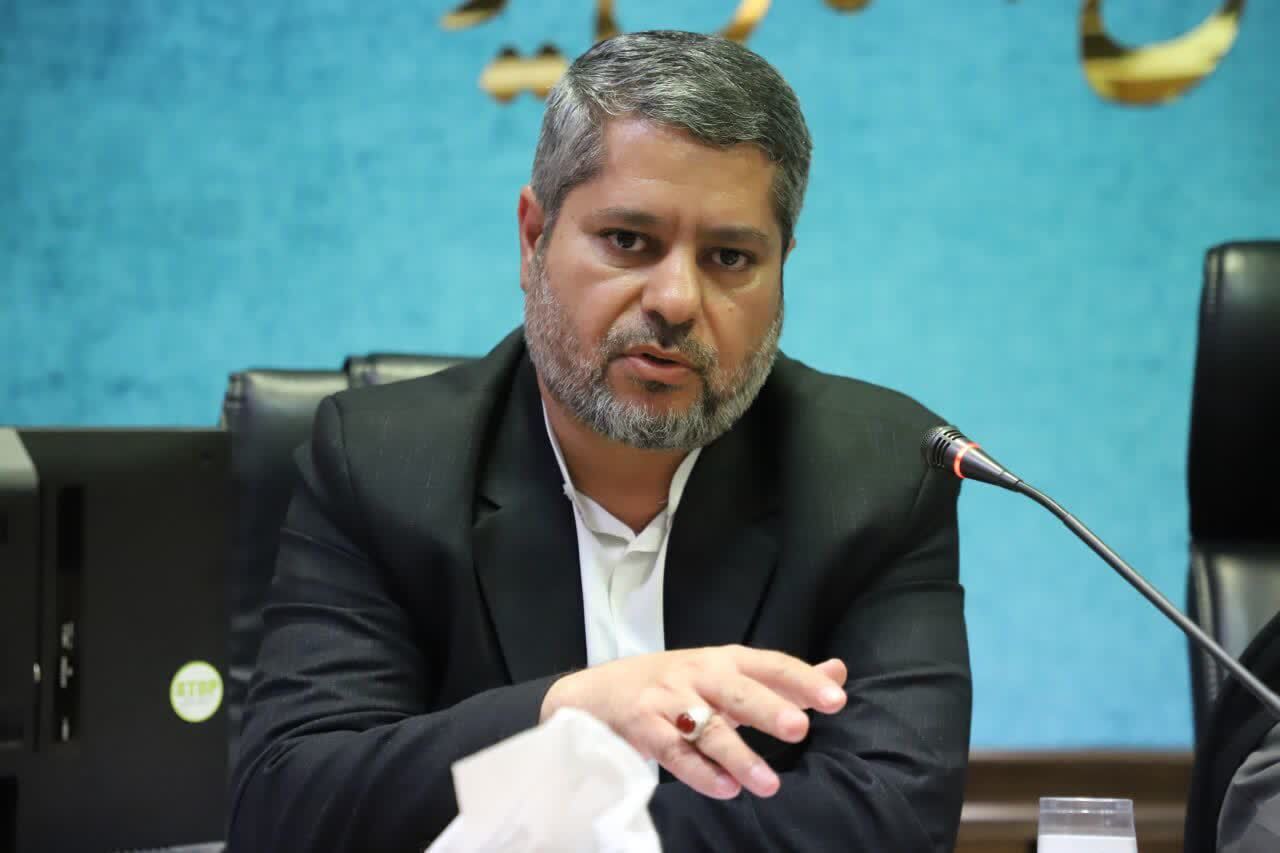
State media today quoted Yazd prosecutor Mehdi Hassanpour as saying that three of the “main elements” of the “sect” had been “identified and arrested”.
According to the prosecutor, the unnamed trio had “set up a house-church and converted a significant number of their family members and friends to ‘Zionist’ Christianity”.
They are also alleged to have torn “several copies of the Quran”, “insulted holy places, imams and religious places”, and “prayed for the victory of the ‘Zionist’ regime”, while the “leader” purportedly “first claimed to be chosen by God and then claimed to be a god (Jesus Christ)”.
The prosecutor’s statement ended with this warning: “Families should be vigilant about any change in their children’s behaviour and relationships because the appearance of a tendency towards these sects is firstly anti-religious, and in the future leads to a betrayal of the homeland and espionage for the Zionist regime, which will have serious consequences”.
It has long been common practice for the authorities and state media of the Islamic Republic to baselessly refer to ordinary Persian-speaking Christians as “Zionists”, in an attempt to distinguish them from the recognised Christians of Armenian and Assyrian descent.
For example, in an official response to a formal enquiry by six senior UN rights experts in 2021, Iran denied systematically persecuting Christians and instead called house-churches “enemy groups” of a “Zionist cult”.
Then following the 12-day war with Israel last year, the Ministry of Intelligence admitted to having arrested over 50 Christians, but labelled them “Mossad mercenaries”.
A month later, state media accused those arrested of engaging in espionage, in what Article18’s director, Mansour Borji, called a “clear example of hate speech”.
Our 2026 annual report was titled “Scapegoats” to highlight the scapegoating of Christians following the 12-day war, when other religious minorities such as the Baha’is also reported an increase in targeting and arrests.
While there are few details in the latest reported arrest, the allegations contain many similarities to previous reports – such as the baseless branding of house-churches as “Zionist” – but also some especially concerning and rare accusations: for example, the alleged burning of copies of the Quran and claim to divinity.
The threat of “serious consequences” for those alleged to have engaged in “espionage” is also concerning, especially in light of the new spying law brought into effect last year, which provides for the death penalty for those found guilty.
Article 6 of the ‘Law on Countering the Hostile Measures of the Zionist Regime Against Peace and Security’ specifically warns that “any intelligence cooperation or espionage in favour of the ‘Zionist regime’ is considered war and corruption on earth, and the perpetrator will be sentenced to the most severe punishment”.



0 Comments