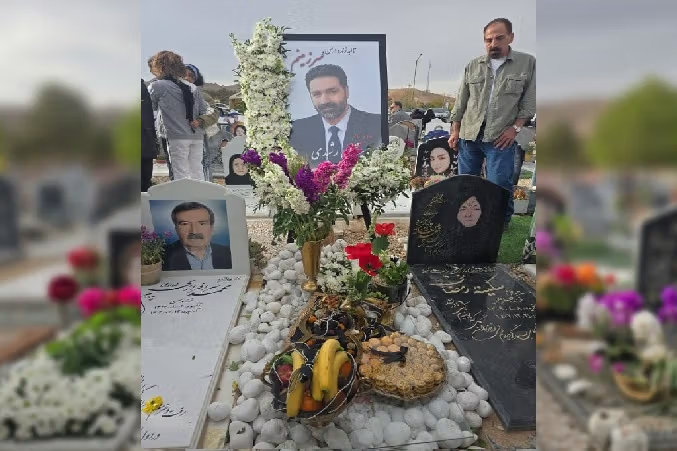
The family of an Iranian Christian convert killed during the January massacre by the Islamic Republic’s security forces continue to be prevented from installing a gravestone over his resting place, according to a report by Iran International.
Mohsen Rashidi, who was 42 years old, was one of at least 22 Christians among the tens of thousands killed in the deadly crackdown on the nationwide protests that preceded the war.
Mohsen, who was a husband and father to three girls, was shot from behind while attempting to recover the body of a close friend killed during a demonstration in Baharestan, Isfahan province, on 9 January, and died after being prevented from entering the local hospital.
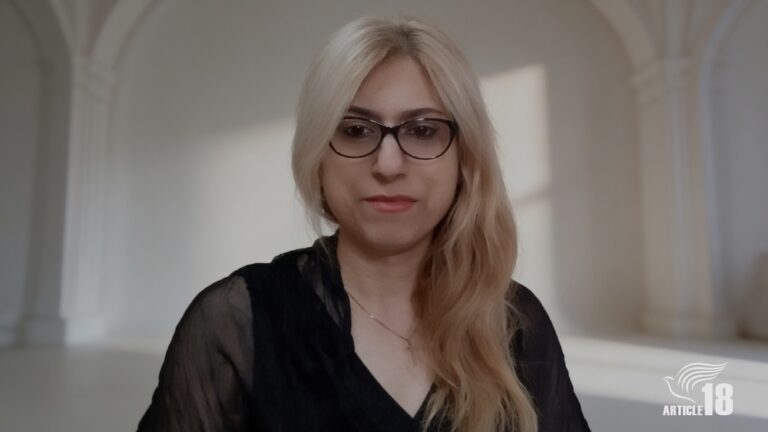
His sister-in-law, Solmaz, told Article18 that his death had been particularly devastating for his four-year-old daughter.
“This child was very dependent on her father, constantly asking for him and being restless for him,” she said. “No uncle, no mother, no grandmother, no-one, no-one can comfort this child and fill her father’s place for her.”
She added: “My sister just whines. She just cries. She just says that: ‘They took my Mohsen away from me. I have nobody.’”
Solmaz also reported that Mohsen’s family were ordered to sign a form falsely stating that he had a member of the Basij paramilitary group who had been killed by protesters, and that when they refused, they had to pay around $8,000 to be given back his body.
The family were then prevented from holding a funeral or mourning ceremony for him, and blocked from installing a gravestone.
According to the report from Iran International, that request continues to be blocked – apparently due to some of the words they wished to include, such as words from a poem also written on his father’s grave. Instead of a gravestone, at the moment his resting place in a cemetery in Isfahan is covered only with stones.
Iran International also reported that a number of other gravestones of those killed in the massacre were recently defaced or covered over with cement, and that pressure has been placed on the families of those killed to change the phrases inscribed on their gravestones, such as “Son of Iran” or “Javidnam”, which translates as “eternal name” and has become a popular way of referring to those who were slain.

0 Comments